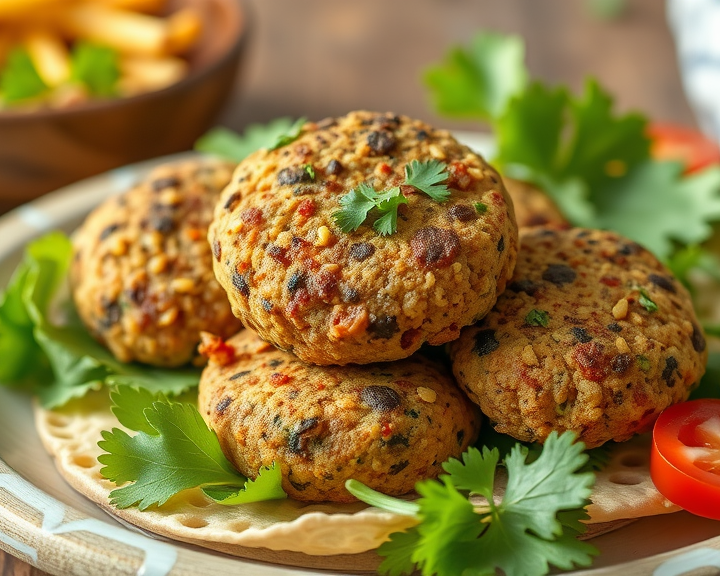
Nutritional Value and Health Benefits of Falafel
Nutritionists and food enthusiasts often debate whether falafel is a healthy choice or a potential dietary pitfall. To understand its impact, it’s essential to delve into its nutritional value and health benefits. Falafel, typically made from ground chickpeas or fava beans, mixed with herbs and spices, and then deep-fried, can be both nutritious and indulgent depending on how it’s prepared and consumed.
One of the standout features of falafel is its high protein content. Chickpeas, the primary ingredient, are a fantastic source of plant-based protein. A single serving (about 100 grams) can contain around 19 grams of protein, which is beneficial for muscle repair and growth. This makes falafel an excellent option for vegetarians and vegans looking to boost their protein intake.
Falafel also boasts a significant amount of fiber. Fiber aids in digestion and helps maintain a healthy gut. A serving of falafel provides approximately 6 grams of dietary fiber, contributing to a feeling of fullness and helping regulate blood sugar levels. For individuals aiming to manage their weight or control diabetes, incorporating falafel into their diet can be a smart move.
Another key nutrient found in falafel is iron. Iron is crucial for the production of hemoglobin, which carries oxygen throughout the body. Chickpeas are rich in non-heme iron, which is more easily absorbed when consumed with vitamin C-rich foods like tomatoes or lemon juice. Pairing falafel with a side salad or a squeeze of fresh lemon can enhance the absorption of iron, making it a more effective addition to your diet.
Vitamins and minerals are also plentiful in falafel. It contains vitamins B6 and B9, which play vital roles in brain function and the production of DNA. Additionally, it provides potassium, magnesium, and phosphorus, all of which are important for maintaining heart health and bone strength.
However, it’s important to note that the way falafel is prepared can significantly affect its nutritional profile. Deep-frying, while traditional, adds extra calories and unhealthy fats. Opting for baked or air-fried falafel can reduce the calorie count and eliminate some of the unhealthy fats. Choosing whole wheat pita bread over white bread can also increase the fiber content of your meal.
- Protein: About 19 grams per 100 grams
- Dietary Fiber: Around 6 grams per 100 grams
- Iron: Significant amounts, especially when paired with vitamin C
- Vitamins B6 and B9: Important for brain function and DNA production
- Potassium, Magnesium, and Phosphorus: Essential for heart health and bone strength
When considering the health benefits of falafel, it’s also crucial to look at the overall meal. Many people enjoy falafel as part of a larger dish, often wrapped in a pita with vegetables and sauces. These additions can further enhance the nutritional value. For instance, hummus, made from chickpeas, adds more protein and fiber. Toppings like lettuce, tomato, and cucumber provide additional vitamins and minerals, while tahini sauce offers healthy fats and calcium.
The spices used in falafel also contribute to its health benefits. Ingredients like cumin, coriander, and parsley not only add flavor but also offer anti-inflammatory properties. Cumin, for example, has been shown to aid in digestion and may help regulate blood sugar levels. Coriander can support liver function and help detoxify the body. Parsley is known for its high antioxidant content, which can protect cells from damage caused by free radicals.
While falafel can be a nutritious and delicious option, portion control remains key. Consuming too much of any food, even one with numerous health benefits, can lead to weight gain. Enjoying falafel in moderation as part of a balanced diet is the best approach.
Falafel can be a healthy addition to your diet when prepared and consumed wisely. Its high protein, fiber, and micronutrient content make it a valuable food choice. By opting for healthier preparation methods and pairing it with nutrient-dense sides, you can maximize its health benefits while enjoying its delicious taste.
Common Ingredients and Their Impact on Caloric Intake
When discussing the healthiness of falafel, it’s essential to look at its common ingredients and their impact on caloric intake. Falafel, a beloved Middle Eastern dish made from ground chickpeas or fava beans, can be a nutritious option when prepared and consumed wisely.
Chickpeas, the primary ingredient in traditional falafel, are packed with protein and fiber. These nutrients help you feel full longer, which can aid in weight management. However, the caloric content of chickpeas is not negligible. A single cup of cooked chickpeas contains approximately 270 calories. While this might seem high, the satiating effect of these legumes can prevent overeating later in the day.
Herbs and Spices
Falafel recipes often include a variety of herbs and spices. Fresh parsley, cilantro, and mint add vibrant flavors without adding many calories. Similarly, spices like cumin, coriander, and paprika enhance taste while contributing minimal calories. These ingredients also offer potential health benefits. For instance, cumin has been linked to improved digestion and may help regulate blood sugar levels.
Oil Usage
- The method of cooking falafel significantly impacts its caloric content.
- Frying in oil, although delicious, adds substantial calories.
- A single tablespoon of oil contains around 120 calories.
- For healthier options, consider baking or air-frying falafel.
- Baking reduces the overall calorie count and minimizes the absorption of additional fats.
Condiments and Sauces
Sauces and condiments used with falafel can either boost or diminish its nutritional value. Traditional accompaniments like tahini sauce and yogurt-based dips can add creamy richness but also increase fat and calorie content. For a lower-calorie option, opt for fresh vegetables, pickled turnips, or a squeeze of lemon juice. These choices enhance flavor without the extra calories.
Portion Control
- Pay attention to portion sizes to manage caloric intake effectively.
- A typical falafel patty ranges from 60 to 100 calories.
- Eating one or two patties along with a salad or whole-grain wrap can keep your meal balanced.
- Avoid piling on too many extras, which can quickly elevate the calorie count.
Nutritional Benefits
Despite its caloric content, falafel offers several nutritional benefits. The high fiber content in chickpeas supports digestive health and helps maintain stable blood sugar levels. Additionally, the presence of plant-based proteins in falafel makes it a good choice for vegetarians and vegans looking to meet their protein needs. However, it’s crucial to balance falafel with other nutrient-rich foods to ensure a well-rounded diet.
Comparing Falafel to Other Foods
- To put falafel’s caloric content into perspective, compare it to similar dishes.
- A medium-sized beef burger patty typically contains around 290 calories.
- A chicken breast, grilled and without skin, has about 165 calories per 3.5 ounces.
- While falafel might be higher in calories than some lean protein sources, its combination of fiber, protein, and healthy fats can make it a satisfying meal option.
Customizing Your Falafel Experience
Ultimately, the healthiness of falafel depends on how it is prepared and consumed. By focusing on fresh ingredients, using healthier cooking methods, and being mindful of portion sizes, you can enjoy falafel without worrying excessively about its caloric content. Experimenting with different recipes and preparation techniques can help you find a version that aligns with your dietary goals.
Falafel can be both healthy and fattening depending on various factors. By choosing the right ingredients, cooking methods, and portion sizes, you can enjoy this flavorful dish while keeping your caloric intake in check. Whether you’re looking to lose weight, maintain your current weight, or simply enjoy a tasty meal, understanding the impact of common ingredients on caloric intake can guide you toward making informed choices.
Comparing Traditional and Modern Falafel Recipes
In the world of vegetarian and vegan cuisine, falafel has become a beloved staple, offering a crispy, flavorful alternative to meat-based dishes. While traditional falafel recipes have been passed down through generations, modern interpretations have introduced variations that cater to diverse tastes and dietary needs. Let’s dive into the differences between traditional and modern falafel recipes and explore how these changes impact their nutritional profiles and overall appeal.
Traditionally, falafel is made with ground chickpeas, fresh herbs like parsley and cilantro, and spices such as cumin and coriander. The mixture is shaped into small balls or patties and deep-fried until golden brown. This method ensures a crispy exterior and a soft, flavorful interior. Here’s a breakdown of the ingredients:
- Chickpeas: The base ingredient, providing protein and fiber.
- Parsley and Cilantro: Adds freshness and essential nutrients.
- Spices (Cumin, Coriander): Enhances flavor and aids digestion.
Modern falafel recipes often incorporate innovative twists. For instance, some chefs and home cooks now use fava beans instead of chickpeas or even blend both for a richer texture. Others might add other vegetables or grains to the mix, such as carrots, beets, or quinoa. These additions can boost the nutritional value and introduce new flavors and textures. Here’s what some modern variations might include:
- Fava Beans: Provides a different flavor profile and additional nutrients.
- Vegetables (Carrots, Beets): Adds color, crunch, and extra vitamins.
- Grains (Quinoa): Increases protein content and adds a nutty flavor.
The cooking methods for falafel also vary between traditional and modern recipes. Deep-frying remains a popular choice for achieving that perfect crispy texture, but there are healthier alternatives. Baking falafel can reduce the fat content significantly while still maintaining a satisfying crunch. Additionally, some modern recipes recommend air frying, which uses less oil and can be a quicker way to prepare falafel. Here’s a comparison:
- Deep-Frying: Results in a crispy exterior but increases fat content.
- Baking: Healthier option with less oil, retains crispiness.
- Air Frying: Uses minimal oil, quick and easy preparation.
When it comes to serving falafel, traditional recipes typically pair it with pita bread, tahini sauce, and a simple salad. Modern variations might include a wider range of accompaniments. For example, some recipes suggest topping falafel with avocado or mango salsa for a fresh twist. Others might serve it with a yogurt-based sauce or atop a bed of greens for a more substantial meal. Here are some common modern serving suggestions:
- Pita Bread: Classic accompaniment, holds falafel and sauces well.
- Tahini Sauce: Traditional condiment, rich in flavor.
- Avocado Salsa: Adds creaminess and a burst of freshness.
- Yogurt Sauce: Balances spiciness and adds a cooling effect.
- Greens: Nutritious base, enhances overall dish presentation.
Both traditional and modern falafel recipes offer unique experiences. Traditional falafel provides a classic taste and texture that many love, while modern versions introduce new flavors and healthier cooking techniques. Whether you prefer the authenticity of a deep-fried chickpea ball or the innovation of a baked fava bean patty with quinoa, falafel remains a versatile and delicious dish. Experimenting with different recipes allows you to enjoy the best of both worlds—tradition and modernity—while tailoring the dish to your preferences and dietary needs.
Ultimately, the choice between traditional and modern falafel recipes depends on personal preference and dietary considerations. Traditional falafel, with its deep-fried crispness, offers a classic experience, while modern versions provide healthier options and innovative twists. Both styles can be equally satisfying, making falafel a delightful culinary adventure regardless of the approach.
Falafel in Different Cultural Diets: A Global Perspective
When it comes to exploring the diverse culinary landscape around the globe, falafel stands out as a beloved dish that transcends cultural boundaries. Originating from the Middle East, falafel has become a staple in many cultures, each adapting the recipe to suit local tastes and dietary preferences. Let’s dive into how falafel is enjoyed in different cultural diets, providing a global perspective on this versatile and flavorful food.
Falafel’s journey began in Egypt, where it was traditionally made with fava beans. Over time, chickpeas became the more common ingredient, especially as falafel spread to other parts of the world. Today, you can find falafel in various forms, from deep-fried balls to baked versions, reflecting the adaptability of the dish to different cooking methods and health-conscious preferences.
1. Middle Eastern Falafel
In its birthplace, falafel is often served as a street food, particularly in countries like Egypt, Lebanon, and Israel. Traditional recipes typically use ground chickpeas mixed with herbs and spices, then deep-fried until crispy. It’s commonly eaten as a part of a mezze platter or stuffed inside a pita bread with tahini sauce, pickled vegetables, and fresh greens. This combination offers a balanced meal rich in protein, fiber, and essential nutrients.
2. Egyptian Falafel (Ta’meya)
Egyptian falafel, known as ta’meya, is distinct because it primarily uses fava beans instead of chickpeas. These fritters are usually smaller and lighter than their chickpea counterparts. Ta’meya is often served with a side of salad, including tomato, cucumber, and radish, along with a drizzle of tahini. This version highlights the simplicity and freshness of ingredients, making it a refreshing choice in the hot climate.
3. Israeli Falafel
In Israel, falafel has evolved into a national dish, celebrated in numerous falafel shops across the country. Here, falafel is typically made with chickpeas and seasoned with parsley, cilantro, cumin, and coriander. The falafel balls are often deep-fried and served in a pita with hummus, salad, and various sauces. Some modern versions also offer baked falafel for those looking for a healthier option. The variety in preparation and serving styles makes Israeli falafel a vibrant experience for both locals and tourists.
4. Indian Falafel
While not traditionally associated with Indian cuisine, falafel has found its place in some Indian kitchens, particularly among vegetarian and vegan communities. In India, falafel might incorporate lentils or a mix of lentils and chickpeas, giving it a unique texture and flavor profile. It’s often served with chutneys and pickles, which complement the spiciness and add a burst of flavor. This adaptation showcases how falafel can seamlessly integrate into diverse culinary traditions.
5. European Falafel
In Europe, falafel has gained popularity as a vegetarian alternative to meat-based dishes. Countries like Germany and the UK have embraced falafel as a fast-food option, often serving it in wraps or bowls with a variety of toppings. In Germany, you might find falafel served with curry ketchup or vegan mayo, while in the UK, it could be accompanied by sweet chili sauce or tzatziki. This cross-cultural adoption reflects the global appeal of falafel and its ability to fit into varied dining experiences.
6. American Falafel
In the United States, falafel has become a popular menu item in many Mediterranean restaurants. Here, falafel is often served in a wrap or salad, with options like avocado, roasted vegetables, and a range of dressings. Some establishments even offer gluten-free pita alternatives or lettuce wraps for those with dietary restrictions. The American take on falafel emphasizes customization and health-conscious choices, appealing to a wide range of palates.
7. Healthier Variations
As health awareness grows, so does the demand for healthier versions of falafel. Many cooks now bake instead of fry, reducing the overall fat content. Others experiment with different legumes, such as black beans or lentils, to create unique flavors and textures. superfoods like quinoa or adding extra vegetables enhances the nutritional value, making falafel a guilt-free treat.
From its origins in the Middle East to its current status as a global favorite, falafel continues to evolve. Each culture adds its own twist, whether through the choice of base ingredients, accompanying sides, or serving methods. This adaptability ensures that falafel remains a beloved dish, enjoyed by people from all walks of life. Whether you’re savoring it in a bustling market in Cairo, a cozy café in Tel Aviv, or a trendy restaurant in New York, falafel offers a taste of the world in every bite.
Tips for Making Healthier Falafel at Home
When you’re looking to enjoy a delicious meal while keeping your health goals in mind, making healthier versions of your favorite dishes at home can be a great approach. Falafel, a beloved Middle Eastern dish made from ground chickpeas or fava beans, can be both tasty and nutritious with some mindful adjustments. Here are some tips to help you create a healthier version of falafel at home.
Choosing the Right Ingredients
Chickpea Selection: Opt for organic, dried chickpeas instead of canned ones. Canned chickpeas often contain added sodium, which can increase the calorie count. Soaking and cooking dried chickpeas yourself gives you more control over the nutritional content.
Herbs and Spices: Enhance the flavor of your falafel with fresh herbs like parsley, cilantro, and mint. These not only add a vibrant taste but also contribute beneficial nutrients. For spices, choose cumin, coriander, and paprika, which add depth without extra calories.
Whole Wheat Flour: Replace some of the all-purpose flour with whole wheat flour to boost fiber content. This substitution can help keep you fuller longer and improve digestion.
Reducing Oil Usage
Baking Instead of Frying: One of the biggest culprits in making falafel less healthy is the deep-frying process. Try baking your falafel patties on a lightly oiled baking sheet at 400°F (200°C) for about 20 minutes, flipping halfway through. This method significantly reduces the amount of oil absorbed by the falafel.
Air Frying: If you prefer a crispy texture, consider using an air fryer. It uses hot air to crisp the outside of the falafel while using little to no oil, making it a healthier option compared to traditional frying.
More Veggies
Add Extra Vegetables: Incorporate finely chopped vegetables like carrots, zucchini, and bell peppers into your falafel mixture. These additions not only enhance the nutritional profile but also add moisture and texture, reducing the need for extra binders.
Grated Veggies: Grate vegetables like zucchini and carrots and squeeze out excess water before mixing them into the falafel batter. This technique helps keep the falafel moist without adding extra fat.
Healthy Sauces and Dips
Hummus: Swap out high-calorie sauces like tahini-based ones for a simple hummus dip. Hummus made from blended chickpeas, lemon juice, garlic, and olive oil is rich in protein and healthy fats.
Yogurt Sauce: For a lighter alternative, mix Greek yogurt with a bit of lemon juice, minced garlic, and fresh dill. This sauce provides probiotics and a creamy texture without the heaviness of mayonnaise-based dips.
Portion Control and Serving Suggestions
Smaller Portions: Serve smaller falafel patties to manage portion sizes. This not only helps in controlling calorie intake but also allows you to savor each bite.
Salad Wraps: Instead of serving falafel in pita bread, wrap them in large lettuce leaves or collard greens. This switch can save on carbs and calories while adding a refreshing crunch.
Fresh Salad: Accompany your falafel with a fresh salad of mixed greens, cucumbers, tomatoes, and a light vinaigrette dressing. This adds bulk to your meal without extra calories and enhances the overall nutritional value.
Storing and Reheating Tips
Cool Before Storing: Allow baked falafel to cool completely before storing them in an airtight container in the refrigerator for up to five days.
Reheat Carefully: When reheating, place the falafel in a preheated oven at 350°F (175°C) for about 10 minutes. This ensures they stay crispy and do not become soggy.
Experimenting with Flavors
Spice Variations: Experiment with different spice blends to keep your falafel exciting. Adding a pinch of cinnamon or cardamom can give your falafel a unique twist while boosting flavor without extra calories.
Fruit Additions: For a sweeter variation, try incorporating finely grated apple or pear into your falafel mixture. This adds natural sweetness and moisture without the need for additional sugars.
By following these tips, you can enjoy a healthier version of falafel that is both satisfying and nutritious. Remember, the key to maintaining a balanced diet lies in moderation and mindful choices. Happy cooking!
Conclusion
Falafel can be a delicious and nutritious addition to your diet when prepared mindfully. Rich in protein, fiber, and essential vitamins, it offers numerous health benefits. However, the caloric intake can vary depending on ingredients like oil used during frying. Traditional recipes often lean towards healthier options compared to modern versions that might incorporate more fats. Globally, falafel is enjoyed across diverse diets, each with its own twist on preparation methods. By opting for baking instead of frying, using whole grains, and adding fresh vegetables, you can create a healthier version at home. Embrace these tips to savor falafel while keeping your nutritional goals in check. Whether you’re enjoying it in Egypt, Israel, or beyond, falafel remains a versatile and satisfying dish that can fit into various dietary lifestyles.