Types of Falafel: Understanding the Distinction Between Traditional and Modern Varieties
When it comes to falafel, there’s more to it than meets the eye. This beloved Middle Eastern dish has evolved over time, leading to two main types: traditional falafel and modern varieties. Each type brings its own unique flavors and textures to the table, catering to different tastes and preferences.
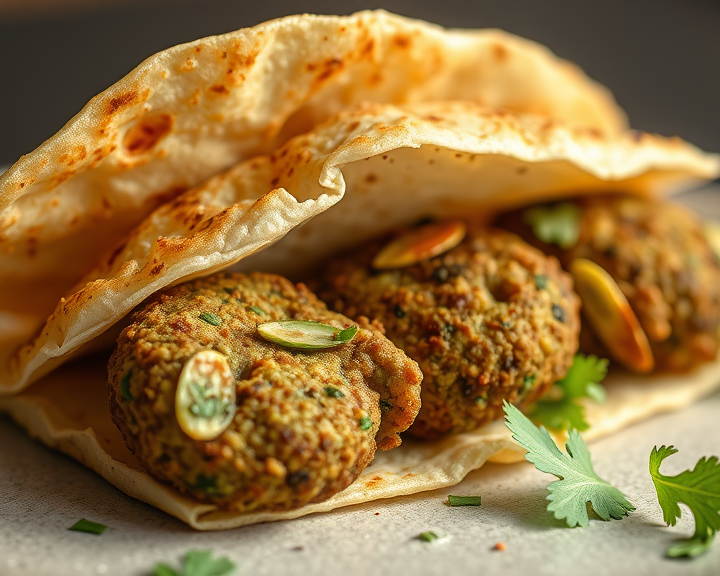
Traditional falafel is the classic version most people are familiar with. It typically consists of ground chickpeas, herbs, and spices formed into small balls or patties and then deep-fried until crispy on the outside and tender inside. The base ingredients remain relatively consistent, often including chickpeas, parsley, cilantro, onions, garlic, cumin, coriander, and sometimes fava beans. This combination results in a flavorful, aromatic dish that pairs wonderfully with tahini sauce, pita bread, and fresh vegetables.
Ingredients and Preparation
- Chickpeas: The primary ingredient, providing a rich, nutty flavor.
- Parsley and Cilantro: Fresh herbs that add a bright, herby note.
- Onions and Garlic: These provide depth and a slight sweetness.
- Cumin and Coriander: Key spices that give traditional falafel its distinctive taste.
- Fava Beans: Sometimes added for extra texture and flavor.
Modern varieties of falafel have emerged as chefs and home cooks experiment with different ingredients and preparation methods. These variations can incorporate elements like quinoa, black beans, or even sweet potatoes, offering a broader range of nutritional benefits and flavors. Some modern falafel recipes also focus on healthier cooking methods, such as baking instead of frying, to reduce calorie counts and fat content.
Modern Varieties
- Quinoa Falafel: Incorporates quinoa for a protein-packed twist.
- Black Bean Falafel: Uses black beans for a richer, earthier flavor.
- Sweet Potato Falafel: Adds a touch of sweetness and vibrant color.
- Baked Falafel: Offers a healthier alternative to deep-frying.
The choice between traditional and modern falafel often comes down to personal preference. Traditional falafel enthusiasts appreciate the authenticity and robust flavors, while those drawn to modern varieties enjoy the innovative twists and health-conscious options. Both types can be enjoyed in various settings, from casual street food stalls to upscale restaurants.
One of the key differences between traditional and modern falafel lies in their preparation techniques. Traditional falafel is usually made by grinding the ingredients into a coarse mixture before shaping them into balls or patties. These are then deep-fried until golden brown. In contrast, modern varieties may involve blending the ingredients more finely or using different cooking methods, such as baking or air frying, which can alter the texture and overall experience.
Texture and Flavor
- Traditional Falafel: Crispy exterior, soft interior; rich, herby flavor.
- Modern Varieties: Can vary widely; some may be softer, others more robust depending on the ingredients used.
Both traditional and modern falafel offer unique dining experiences. For instance, traditional falafel served in a pita with tahini sauce and fresh salad provides a classic taste of the Middle East. On the other hand, a quinoa falafel wrap with avocado and mango salsa offers a contemporary twist that appeals to those seeking something new and exciting.
Regardless of the type, falafel is a versatile dish that can be adapted to suit various dietary needs and preferences. Whether you’re a fan of the tried-and-true traditional recipe or eager to explore the innovative possibilities of modern falafel, there’s a version to satisfy every palate.
When making falafel at home, consider experimenting with both traditional and modern recipes to discover your favorite. Start with a basic traditional recipe, noting the balance of flavors and textures. Then, gradually introduce new ingredients or cooking methods to see how they affect the final product. This hands-on approach not only enhances your culinary skills but also allows you to tailor the dish to your liking.
The world of falafel is vast and varied, with traditional and modern varieties each offering distinct flavors and textures. Whether you prefer the classic taste of traditional falafel or the innovative twists of modern versions, there’s a falafel recipe out there to delight every diner. So why not try your hand at making both types and decide which one becomes your go-to?
The Culinary Journey: From Street Food to Gourmet Dishes
When you think of falafel, two distinct versions might come to mind: the traditional street food variety and the gourmet rendition that has taken center stage in high-end restaurants. Each type brings its own unique twist to this beloved Middle Eastern dish, reflecting the diverse ways in which falafel has evolved over time.
The first type, often found in bustling street markets and humble family-run eateries, is the classic falafel. Made primarily from ground chickpeas, fresh herbs, and spices, these deep-fried balls or patties embody simplicity and authenticity. They are typically served wrapped in pita bread with a side of tahini sauce, pickled vegetables, and a squeeze of lemon. The texture is crispy on the outside yet soft inside, providing a satisfying crunch with each bite. This version of falafel is cherished for its straightforward approach, allowing the natural flavors of the ingredients to shine through. It’s a testament to how simple combinations can create something truly delicious.
On the other end of the spectrum lies the gourmet falafel, a more recent evolution that has gained popularity in upscale eateries and trendy cafes. This version often incorporates a broader range of ingredients, such as fava beans alongside chickpeas, or even blends of different legumes and grains for added complexity. The spices used can also be more adventurous, incorporating exotic spices like saffron or cardamom to elevate the flavor profile. Instead of being simply deep-fried, gourmet falafel might be baked or pan-seared to achieve a healthier preparation method without compromising on taste. These falafels are often presented as part of elaborate dishes, perhaps atop a bed of quinoa salad, garnished with microgreens, or drizzled with a sophisticated avocado-lime dressing.
Both types of falafel cater to different palates and occasions. The classic street food falafel offers a quick, comforting meal that transports diners to the heart of the Middle East, while gourmet falafel provides a refined dining experience that celebrates the versatility and depth of flavors inherent in this dish. Whether you prefer the simplicity of the traditional recipe or the innovative twists of gourmet falafel, both versions highlight the enduring appeal of this beloved dish.
The Evolution of Falafel
Historically, falafel emerged as a staple food in Egypt and spread throughout the Middle East, becoming a common street food. Its simplicity made it ideal for quick, affordable meals, especially for those who couldn’t afford meat. As globalization brought different cultures closer together, falafel began to travel beyond its origins, adapting to local tastes and ingredients. In North America and Europe, falafel found new homes in health-conscious diets, leading to innovations in recipes and preparation methods.
From Simple Ingredients to Gourmet Innovations
Traditional falafel relies on basic ingredients like chickpeas, parsley, cilantro, garlic, and spices such as cumin and coriander. These ingredients are blended together, shaped into balls or patties, and then deep-fried until golden brown. The process is straightforward, requiring minimal equipment and preparation time, making it perfect for street vendors and small eateries. The focus is on the quality of the ingredients and the balance of flavors rather than elaborate techniques.
Adapting to Modern Palates
Gourmet falafel takes inspiration from traditional recipes but adds a modern twist. Chefs experiment with additional ingredients like fava beans, quinoa, or bulgur wheat to create a more complex texture and flavor. They might also incorporate unusual spices and herbs, such as sumac, za’atar, or even edible flowers, to add layers of complexity. Preparation methods can vary widely, from baking to air-frying, ensuring that the dish remains appealing to health-conscious consumers. Presentation is key in gourmet falafel, with chefs focusing on plating and accompanying flavors to create a memorable dining experience.
- Classic Falafel: Ground chickpeas, fresh herbs, spices, served in pita bread.
- Gourmet Falafel: Blends of chickpeas and fava beans, exotic spices, baked or pan-seared, served as part of a gourmet dish.
Street Food to Gourmet Dishes
As falafel has evolved, it has transitioned seamlessly from a humble street food to a gourmet delicacy. This journey reflects the adaptability of culinary traditions and the ever-changing tastes of consumers. Street food falafel remains a go-to choice for those seeking a quick, authentic bite, while gourmet falafel caters to diners looking for a more refined and elevated dining experience.
Ultimately, whether you’re munching on a classic falafel wrap from a street vendor or savoring a gourmet falafel dish in a fine-dining restaurant, the essence of this beloved Middle Eastern dish remains unchanged. It continues to delight and satisfy, proving that great food transcends boundaries and evolves with the times, yet stays true to its roots.
Nutritional Value and Health Benefits of Different Falafel Types
When it comes to exploring the nutritional value and health benefits of different falafel types, it’s important to understand the two main varieties: traditional chickpea falafel and fava bean falafel. Both offer unique flavors and textures, along with distinct nutritional profiles that can contribute to a balanced diet.
- Chickpeas, also known as garbanzo beans, are a staple ingredient in many Mediterranean and Middle Eastern dishes. They are packed with protein and fiber, making them a great option for those looking to add more plant-based protein to their meals.
- A single serving (about 100 grams) of chickpea falafel typically contains around 270 calories, 14 grams of fat, 26 grams of carbohydrates, and 8 grams of protein. It also provides essential vitamins and minerals such as iron, magnesium, and potassium.
- The high fiber content in chickpeas helps promote digestive health and can help control blood sugar levels, which is beneficial for individuals managing diabetes. Additionally, the protein in chickpeas supports muscle maintenance and repair.
- However, traditional falafel is often deep-fried, which increases its calorie and fat content. To enjoy the health benefits without the excess calories, consider baking or air-frying falafel instead of frying it.
Fava Bean Falafel
- Fava beans, also called broad beans, are another popular choice for falafel. These beans are rich in protein and fiber, similar to chickpeas, but they offer a slightly different nutritional profile.
- A serving of fava bean falafel (around 100 grams) generally has about 250 calories, 12 grams of fat, 28 grams of carbohydrates, and 9 grams of protein. Fava beans are also a good source of folate, which is crucial for cell growth and DNA synthesis.
- One of the key benefits of fava beans is their ability to support heart health. They contain soluble fiber, which can help reduce cholesterol levels. Additionally, fava beans are a good source of antioxidants, which protect cells from damage caused by free radicals.
- Like chickpea falafel, fava bean falafel can be high in calories due to the frying process. Opting for healthier cooking methods like baking or air-frying can help maintain the nutritional benefits while reducing the overall calorie count.
Comparative Nutritional Profiles
- Both types of falafel are rich in plant-based protein, which is beneficial for vegetarians and vegans. However, fava bean falafel tends to have slightly more protein per serving than chickpea falafel.
- Chickpea falafel is higher in calories and fat compared to fava bean falafel. This difference is mainly due to the higher fat content in chickpeas.
- In terms of micronutrients, both types of falafel provide a variety of essential vitamins and minerals. Chickpeas are particularly high in magnesium and potassium, while fava beans excel in folate and copper.
Cooking Methods and Their Impact
- The cooking method used to prepare falafel can significantly affect its nutritional value. Deep-frying increases the calorie and fat content, whereas baking or air-frying retains more of the nutrients and reduces the overall calorie count.
- Baking falafel in the oven at a temperature of 400°F (200°C) for about 20 minutes, flipping halfway through, can result in a crispy exterior and a soft interior without adding extra oil.
- Air-frying is another excellent option, requiring only a small amount of oil. This method uses hot air to cook the falafel, resulting in a crispy texture similar to deep-frying but with fewer calories and less fat.
Healthier Accompaniments
- To enhance the nutritional value of your falafel meal, pair it with fresh vegetables, whole-grain pita bread, and a side of hummus or tahini sauce. These additions provide additional fiber, vitamins, and minerals.
- Using whole-grain pita bread instead of white bread increases the fiber content and provides more sustained energy throughout the day.
- Hummus, made from chickpeas, adds more plant-based protein and healthy fats to your meal. Tahini, a sesame seed paste, is rich in healthy fats and antioxidants, further boosting the nutritional profile of your falafel dish.
Both chickpea and fava bean falafel offer unique nutritional benefits and can be part of a healthy diet when prepared using healthier cooking methods. Whether you choose chickpea falafel for its magnesium and potassium content or fava bean falafel for its folate and antioxidant properties, incorporating these delicious and nutritious options into your meals can be a tasty way to support your overall health.
Global Influence on Falafel Preparation Techniques
When it comes to global influence on falafel preparation techniques, the journey of this beloved dish spans continents and cultures, each adding its own unique twist to the classic recipe. Originally from the Middle East, falafel has evolved over time, influenced by various regional cooking styles and ingredients. Let’s explore how different parts of the world have adapted and enhanced the traditional falafel, making it a versatile dish enjoyed globally.
Starting with the Middle East, where falafel originated, the traditional method involves soaking dried chickpeas overnight and then grinding them into a coarse mixture with fresh herbs like parsley and cilantro, along with spices such as cumin and coriander. This mixture is shaped into small balls or patties and deep-fried until crispy on the outside and soft inside. In countries like Egypt, fava beans are used instead of chickpeas, resulting in a dish known as ta’meya, which has a distinct flavor profile. The Egyptians also often serve it with tahini-based sauces and pickled vegetables.
European Adaptations
In Europe, falafel has been embraced with creative adaptations. For instance, in France, chefs might add a hint of rosemary or thyme to the chickpea mixture, giving it a subtle herbal note. In Germany, it’s common to find falafel served in a pita with lettuce, tomato, and a creamy yogurt sauce, reminiscent of Turkish influences due to the large immigrant population. In the UK, falafel is often accompanied by a minty yogurt sauce and served with mixed greens, offering a refreshing take on the traditional sandwich.
American Innovations
The United States has also put its stamp on falafel. In New York City, you’ll find falafel balls stuffed into a pita with lettuce, tomatoes, and a drizzle of tahini sauce, much like the European versions. However, some innovative American chefs have started experimenting with different legumes, such as black beans or lentils, to create vegan-friendly alternatives. These variations maintain the essence of falafel while catering to diverse dietary preferences.
Asian Influences
In Asia, particularly in countries like Thailand and Singapore, falafel has taken on new dimensions. Thai chefs might incorporate lemongrass and galangal into the chickpea mixture, giving it a Southeast Asian twist. In Singapore, falafel is sometimes served with local condiments like sambal or a sweet chili sauce, providing a spicy kick that contrasts beautifully with the savory falafel. Additionally, some restaurants offer a fusion version where falafel is paired with rice noodles and a peanut sauce, blending Middle Eastern flavors with Asian culinary traditions.
African Flavors
Africa also contributes to the global tapestry of falafel preparation. In Ethiopia, where chickpeas are a staple, falafel is often seasoned with berbere spice blend, which includes chili peppers, garlic, ginger, and other spices. This gives the falafel a fiery and aromatic character. In South Africa, falafel is sometimes served with a mango chutney, providing a sweet and tangy counterpoint to the spiciness of the berbere.
Middle Eastern Variations
Even within the Middle East, falafel preparation techniques can vary significantly. In Lebanon, falafel is typically made with a mix of chickpeas and fava beans, creating a more complex texture and flavor. It is often served with a garlic yogurt sauce and pickled turnips, adding a sour element to balance the richness of the fried falafel. In Israel, falafel is a street food staple, often served in a pita with hummus, salad, and tahini. Some Israeli chefs experiment with adding sesame seeds to the mixture, enhancing both the flavor and the crunch.
From the traditional methods of the Middle East to the innovative twists found in Europe, America, Asia, and Africa, falafel continues to evolve, reflecting the diverse culinary landscapes it encounters. Each adaptation adds a new layer to the dish, showcasing the universal appeal of this humble yet flavorful treat. Whether enjoyed in a simple pita or as part of a gourmet fusion dish, falafel remains a symbol of cultural exchange and culinary creativity.
Pairing Suggestions: How to Enjoy Each Type of Falafel Best
When it comes to enjoying falafel, understanding how to pair each type can elevate your dining experience. There are primarily two types of falafel: the traditional chickpea-based version and the less common fava bean falafel. Both offer unique flavors and textures, making them versatile for various accompaniments and drinks.
Chickpea falafel is the classic version most people are familiar with. It has a rich, nutty flavor and a crispy exterior with a soft interior. Here’s how you can best enjoy this type:
- Pair with a tangy yogurt sauce like Tzatziki for a refreshing contrast.
- Serve in a pita with fresh lettuce, tomatoes, and pickled vegetables for a balanced meal.
- Add a drizzle of tahini sauce for extra creaminess and depth.
- Enjoy with a side of tabbouleh for a burst of freshness and herbs.
- Accompany with a light cucumber salad to cut through the richness.
Fava Bean Falafel
Fava bean falafel is less common but equally delicious. Made from skinned fava beans, it offers a slightly different texture—lighter and crisper than its chickpea counterpart. Here are some pairing suggestions:
- Combine with a spicy harissa sauce for a kick of heat.
- Serve in a wrap with shredded cabbage and carrots for a crunchy texture.
- Add a dollop of hummus for added creaminess and protein.
- Pair with a simple cucumber-yogurt sauce for a mild, cooling effect.
- Enjoy with a side of roasted red peppers for a smoky flavor.
Both types of falafel can be enhanced with a variety of dips and sides, depending on your preference for spiciness, creaminess, or freshness. Whether you prefer the classic chickpea version or the lighter fava bean alternative, here are some general tips to make your falafel experience even more delightful:
- Choose fresh ingredients for your sides and sauces to ensure maximum flavor.
- Vary your pairings based on the time of day; for example, a lighter side might be better for lunch, while a heartier option could work for dinner.
- Experiment with different types of bread, such as naan or flatbread, for a change in texture.
- Don’t forget the power of a good drink pairing. A cold beer, lemonade, or even a sparkling water with a squeeze of lemon can complement the flavors beautifully.
By thoughtfully selecting complementary dishes and beverages, you can enhance the enjoyment of both traditional chickpea falafel and its fava bean cousin. Whether you’re looking for a light snack or a hearty meal, these pairing suggestions will help you savor every bite.
Conclusion
Falafel, whether traditional or modern, offers a delightful culinary experience that caters to diverse tastes and preferences. Its journey from humble street food to gourmet dishes has elevated its status, making it a versatile choice for both casual dining and fine restaurants. Understanding the nutritional value and health benefits associated with each type can help you make informed choices, ensuring you enjoy a delicious meal while also considering your dietary needs. Global influences continue to shape preparation techniques, leading to innovative twists and flavors. Whether you prefer the classic chickpea-based falafel or a more experimental version, there’s a perfect pairing to complement your dish, from crisp salads to creamy tahini sauces. Embrace the diversity of falafel, and let your taste buds embark on a flavorful adventure.