Ingredients That Make Up Traditional Falafel
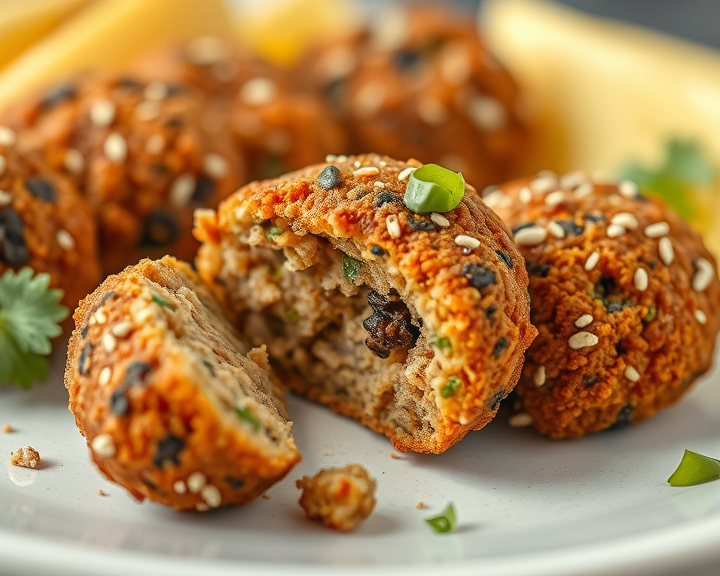
When you think of delicious street food that’s both flavorful and satisfying, falafel often comes to mind. This beloved dish is a staple in Middle Eastern cuisine and has gained popularity worldwide. At its core, falafel is a deep-fried ball or patty made from ground chickpeas, fava beans, or a combination of both. These ingredients form the base of the recipe, and each component plays a crucial role in achieving the perfect texture and taste.
To start, chickpeas are the most common ingredient used in making falafel. They are soaked overnight to soften them before being ground into a coarse mixture. Chickpeas bring a nutty flavor and a hearty texture to the falafel. They are also a great source of protein and fiber, making falafel a nutritious option. Fava beans can be used instead of, or in addition to, chickpeas. When combined with chickpeas, they add another layer of depth to the flavor profile while keeping the texture light and airy.
In addition to the main ingredients, herbs and spices are essential to give falafel its characteristic taste. Fresh parsley and cilantro are finely chopped and mixed into the ground chickpeas or fava beans. These herbs contribute a fresh, vibrant flavor that balances the richness of the fried exterior. Garlic and onion are also commonly added for a pungent kick. Onions help bind the mixture together, while garlic adds a sharp, aromatic note that enhances the overall flavor.
The spice blend used in falafel is another critical element that defines its taste. Cumin is a key spice that provides a warm, earthy flavor. Coriander seeds add a citrusy, slightly sweet note that complements the cumin. Other spices like paprika, black pepper, and sometimes cardamom can be included to add complexity. These spices not only enhance the flavor but also provide health benefits, such as anti-inflammatory properties.
Flour or breadcrumbs are often added to the mixture to help bind the ingredients together. This helps ensure that the falafel holds its shape during frying. While traditional recipes may call for flour made from wheat, some variations use gluten-free alternatives like almond flour or rice flour to cater to dietary restrictions. Adding a small amount of baking powder can also help achieve a lighter texture, though this is optional.
The cooking process is another important aspect of making falafel. Traditionally, falafel is deep-fried until golden brown and crispy on the outside, while remaining soft and tender inside. Some modern adaptations opt for baking or air-frying to reduce the amount of oil used. However, the deep-frying method remains the preferred choice for many because it creates a crisp exterior that contrasts beautifully with the soft interior.
The toppings and accompaniments that accompany falafel play a significant role in its appeal. Common garnishes include tahini sauce, a creamy dressing made from sesame paste, lemon juice, garlic, and water. Sumac, a tangy Middle Eastern spice, is sprinkled on top for an extra burst of flavor. Fresh vegetables like lettuce, tomatoes, and onions add crunch and freshness. Pita bread is often used to wrap the falafel, providing a convenient handheld meal.
By understanding the ingredients that make up traditional falafel, you can appreciate the care and craftsmanship that goes into each bite. Whether you’re preparing it at home or enjoying it at a local eatery, falafel is a delightful culinary experience that combines simple yet potent flavors. Its versatility allows it to be enjoyed as a snack, appetizer, or even a main course, making it a versatile and beloved dish around the world.
To sum up, the foundation of falafel lies in the combination of chickpeas or fava beans, which are then mixed with herbs, spices, and binding agents. The result is a crispy, flavorful dish that can be customized with various toppings and sauces. Whether you’re a seasoned cook or a beginner, exploring the ingredients and techniques involved in making falafel can open up a world of culinary possibilities.
Variations of Falafel Across Different Cultures
Falafel is a beloved dish that has found its way into the hearts and stomachs of people around the globe, each culture putting its own spin on this delicious deep-fried treat. From the Middle East to Europe and even North America, falafel has evolved into a myriad of variations, each with its own unique flavor profile and preparation method.
Middle Eastern Falafel – The birthplace of falafel, the Middle East, offers a classic version that is typically made from ground chickpeas, fresh herbs like parsley and cilantro, and spices such as cumin and coriander. The mixture is then shaped into small balls or patties and deep-fried until crispy on the outside and tender inside. In countries like Egypt, you might find ta’meya, which is similar but often made with fava beans instead of chickpeas. These falafels are often served with tahini sauce and pickled vegetables in a pita bread, creating a satisfying meal.
Mediterranean Falafel – Moving westward to the Mediterranean region, particularly in countries like Greece and Turkey, falafel is often served alongside other dishes. In Greece, falafel is sometimes enjoyed as a meze, a small plate meant for sharing, often accompanied by tzatziki, a yogurt and cucumber dip. Turkish falafel, known as börek, can be stuffed into flatbreads called lavaş or piyaz, and garnished with yogurt and tomato sauce.
African Falafel – In Africa, especially in countries like Morocco and Ethiopia, falafel takes on new flavors influenced by local ingredients. Moroccan falafel might incorporate additional spices like saffron and cinnamon, giving it a distinct aroma and taste. Ethiopian falafel, often served during fasting periods in the Ethiopian Orthodox Church calendar, uses a blend of lentils and chickpeas, seasoned with berbere spice mix, a blend that includes chili peppers, garlic, ginger, and fenugreek.
European Falafel – As falafel spread across Europe, it adapted to local tastes and available ingredients. In Germany, for instance, falafel stands have become increasingly popular, often served with curry ketchup or remoulade. French versions might include a touch of herbes de Provence, adding a distinctive herbal note. British falafel is frequently served with mint yogurt and pickled onions, providing a refreshing contrast to the fried exterior.
North American Falafel – In North America, falafel has been embraced and customized by various communities. In Canada, falafel is often found in food trucks and street vendors, where it’s served with a variety of sauces and toppings. In the United States, some chefs experiment with unconventional ingredients like quinoa or black beans, offering a twist on the traditional recipe. Street food festivals often feature creative twists on falafel, showcasing how versatile this dish can be.
- Chickpea Variants: Some cultures prefer using different legumes. For example, Egyptian ta’meya uses fava beans, while Ethiopian falafel incorporates lentils.
- Spice Blends: The choice of spices varies widely. While cumin and coriander are common in Middle Eastern falafel, berbere adds a unique kick to Ethiopian versions.
- Serving Styles: Falafel can be served in many forms. In the Middle East, it’s often wrapped in pita bread, whereas in Europe, it might be a standalone snack or part of a mezze platter.
- Accompaniments: Sauces and dips play a crucial role. Tahini, yogurt-based sauces, and various pickled vegetables enhance the flavors.
The diversity in falafel preparation across cultures highlights the universal appeal of this dish and the creativity it inspires. Whether you’re enjoying a classic Middle Eastern falafel, a spicy Ethiopian version, or a modern twist from North America, there’s a falafel out there for everyone. Each variation brings its own cultural richness and culinary innovation, making falafel a truly global delight.
Nutritional Benefits of Eating Falafel
When you think of healthy fast food options, falafel often stands out as a top choice. Originating from the Middle East, falafel is typically made from ground chickpeas or fava beans, mixed with herbs and spices, then deep-fried or baked into small balls or patties. While some may shy away due to its fried nature, falafel can indeed be a nutritious addition to your diet when prepared correctly. Here’s a closer look at the nutritional benefits of eating falafel.
Falafel is primarily composed of legumes like chickpeas or fava beans, which are excellent sources of plant-based protein. A single serving (about 100 grams) of falafel can contain around 7-9 grams of protein, depending on the recipe. This makes it an ideal option for vegetarians and vegans looking to boost their protein intake without relying on animal products. Protein is essential for building and repairing tissues, producing enzymes and hormones, and maintaining muscle mass.
Another key benefit of falafel is its fiber content. Chickpeas and fava beans are rich in dietary fiber, which aids in digestion and helps maintain a healthy gut. Fiber also plays a role in preventing constipation and promoting regular bowel movements. In addition, fiber can help you feel fuller longer, which can be beneficial for weight management. A 100-gram serving of falafel can provide approximately 6-8 grams of fiber, contributing significantly to your daily recommended intake.
Falafel is also a good source of vitamins and minerals. Chickpeas are particularly high in folate, a B vitamin that is crucial for cell growth and DNA synthesis. Folate is especially important for pregnant women as it helps prevent neural tube defects in the developing fetus. Other nutrients found in falafel include iron, magnesium, and phosphorus. Iron is vital for the production of hemoglobin, which carries oxygen in the blood. Magnesium supports bone health and energy production, while phosphorus is essential for bone formation and kidney function.
The use of herbs and spices in falafel recipes adds another layer of nutritional value. For instance, parsley and cilantro, commonly used in falafel, are packed with antioxidants and vitamins. These herbs can help reduce inflammation and improve overall health. Additionally, spices like cumin and coriander not only enhance the flavor but also offer anti-inflammatory properties and aid in digestion.
While traditional falafel is often deep-fried, there are healthier preparation methods that retain its delicious taste while reducing calorie and fat content. Baking falafel instead of frying it can cut down on excess oil, making it a more heart-healthy option. Using air fryers is another method that can achieve a crispy texture with minimal added fats. Opting for these cooking techniques can significantly improve the nutritional profile of falafel.
When served in a pita with vegetables like lettuce, tomato, cucumber, and onion, falafel becomes even more nutritious. These vegetables add additional vitamins, minerals, and fiber to your meal. Toppings like tahini sauce, yogurt, or hummus can also contribute healthy fats and probiotics, which support gut health and immune function.
It’s worth noting that while falafel offers numerous health benefits, portion control remains important. Like many foods, consuming excessive amounts can lead to weight gain. Moderation is key, especially if you’re concerned about calorie intake or managing specific health conditions.
Falafel into your diet can be a tasty way to enjoy a variety of nutrients. Whether you opt for homemade recipes or choose from restaurant options, being mindful of how it’s prepared can help maximize its health benefits. By choosing healthier cooking methods and pairing it with nutrient-dense ingredients, you can savor the flavors of falafel while reaping its nutritional advantages.
Falafel can be a nutritious and satisfying choice for those looking to diversify their diet with plant-based proteins and other essential nutrients. Its combination of protein, fiber, vitamins, and minerals makes it a valuable addition to a balanced meal plan. So, the next time you reach for a falafel, remember that you’re not just enjoying a delicious snack but also fueling your body with wholesome goodness.
How to Cook Falafel at Home for Maximum Flavor
When it comes to making delicious falafel at home, the key is to focus on fresh ingredients and proper cooking techniques. Here’s a step-by-step guide to help you achieve that perfect falafel with maximum flavor.
Checkout our Crispy, Flavor-Packed Falafel: The Ultimate Middle Eastern Street Food Recipe You Can Make at Home!
To enhance the flavor even further, consider these tips:
- Toast Spices: Before adding the spices to the mixture, lightly toast them in a dry pan for a minute or two. This intensifies their aroma and flavor.
- Use Fresh Herbs: Fresh herbs like parsley and cilantro bring vibrant flavors. Make sure they are fresh and not wilted.
- Adjust Salt: Taste the mixture before forming the falafel. Adjust the salt level according to your preference.
- Rest the Mixture: Allowing the mixture to rest in the refrigerator helps the flavors develop and makes it easier to handle when shaping.
By following these steps and tips, you can create homemade falafel that bursts with flavor and texture. Enjoy the process and savor every bite!
Pairing Suggestions for a Perfect Falafel Dish
In the world of vegetarian and vegan cuisine, falafel stands out as a beloved dish, offering a delightful mix of crispy texture and aromatic flavors. Whether you’re enjoying it as a snack, appetizer, or main course, the way you pair your falafel can elevate the entire dining experience. Here are some expert suggestions to help you craft the perfect falafel dish:
Choosing the Right Base
Warm Pita Bread: A classic choice, warm pita bread serves as an excellent base for your falafel. It’s soft yet sturdy enough to hold together while you enjoy each bite. You can slightly toast the pita to give it a subtle crunch.
Lettuce Wraps: For a lighter option, consider wrapping your falafel in large lettuce leaves. This makes for a refreshing and low-carb meal, perfect for those looking to cut down on calories without compromising on taste.
Adding Freshness with Salads
Fresh Salad Mix: Combine crisp lettuce, diced cucumbers, cherry tomatoes, and shredded carrots for a vibrant salad that complements the rich flavors of falafel. Dress it lightly with olive oil and lemon juice for a zesty kick.
Coleslaw: For a twist, try a creamy coleslaw made with shredded cabbage, carrots, and a tangy dressing. This adds a cool, crunchy element that balances the heat of spicier sauces.
Sauces and Dips
Tahini Sauce: Made from tahini (sesame paste), lemon juice, garlic, and water, this sauce provides a nutty flavor and creamy texture that pairs beautifully with falafel. Adjust the consistency by adding more or less water.
Hummus: Smooth and creamy hummus serves as an excellent dip for falafel. Its mild flavor allows the bold tastes of the falafel to shine through. You can even drizzle a bit of olive oil on top for added richness.
Tzatziki: This yogurt-based sauce is infused with cucumber, garlic, and fresh dill. Its cool, creamy texture and subtle flavors make it a perfect match for the spicier elements of falafel.
Accompanying Vegetables
Pickled Vegetables: Adding a touch of acidity with pickled vegetables like onions, carrots, or cauliflower can brighten up the dish. They offer a nice contrast to the warmth of the falafel and add a pop of color.
Grilled Vegetables: Grilled bell peppers, zucchini, and eggplant bring a smoky depth to your falafel dish. These veggies can be marinated beforehand in olive oil, lemon juice, and herbs for extra flavor.
Herbs and Spices
Fresh Herbs: Sprinkle chopped parsley, cilantro, or mint over your falafel for an added burst of freshness. These herbs not only enhance the visual appeal but also contribute to the overall flavor profile.
Spiced Rice: Serve your falafel with a side of spiced rice. Infuse the rice with cumin, coriander, and turmeric for a cohesive and flavorful meal. This dish can be a great option for those who prefer a heartier side.
Condiments and Toppings
Sriracha: For those who love a bit of heat, Sriracha can be a fantastic addition. Its spicy-sweet flavor complements the savory notes of falafel perfectly.
Hot Sauce: Choose a hot sauce that suits your taste buds. Some options like harissa or green chili sauce can add a fiery kick that enhances the overall dish.
Chopped Onions: Finely chopped red onions add a sharp, pungent flavor that can balance the richness of the falafel. You can also soak them in water for a few minutes to mellow out their sharpness.
Drinks to Pair
Iced Tea: A cold glass of iced tea, whether sweetened or unsweetened, can be a refreshing drink to pair with your falafel. The light, crisp flavor of herbal teas or classic black tea works wonderfully.
Sparkling Water: For a non-alcoholic option, sparkling water with a squeeze of lemon or lime can cleanse your palate between bites, making each mouthful feel fresh and new.
Beer: If you’re in the mood for something stronger, a light beer can complement the flavors of falafel. Look for a wheat beer or a pale ale that won’t overpower the dish.
Final Touches
Sprinkled Sumac: Finish off your falafel dish with a sprinkle of sumac. This Middle Eastern spice adds a tart, lemony flavor that ties all the elements together.
Extra Lemon Wedges: Always keep extra lemon wedges on hand. Squeezing a bit of fresh lemon juice over your falafel can refresh and enhance its flavors.
By thoughtfully selecting each component of your falafel dish, you can create a meal that is not only delicious but also visually appealing and balanced. Whether you’re preparing it at home or looking for the perfect side at a restaurant, these pairing suggestions will ensure you have a memorable culinary experience.
Conclusion
Falafel, a beloved dish steeped in tradition, offers a delightful blend of flavors and textures that cater to various palates across different cultures. By understanding its core ingredients—chickpeas, herbs, spices, and more—you can recreate the authentic taste of traditional falafel in your own kitchen. Experimenting with regional variations adds a fun twist, allowing you to explore new culinary horizons. Plus, incorporating falafel into your diet provides numerous health benefits, thanks to its protein-rich and fiber-packed composition. Whether you’re frying, baking, or air-frying, mastering the art of cooking falafel ensures maximum flavor and texture. Pairing suggestions like tahini sauce, fresh salads, and warm pita bread elevate your meal to a memorable dining experience. Embrace the versatility of falafel, and let it become a staple in your kitchen, offering both deliciousness and nutritional value.