The Flavor Profile of Falafel: A Comprehensive Guide
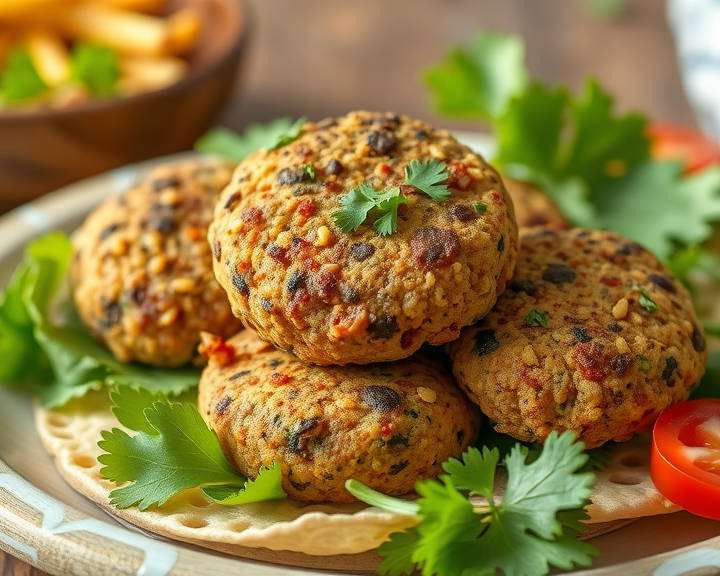
The flavor profile of falafel is a delightful blend of spices and herbs that create a unique and satisfying taste experience. Whether you’re a seasoned foodie or new to Middle Eastern cuisine, understanding what falafel tastes like can enhance your appreciation of this popular dish. Let’s dive into the flavors that make falafel so special.
At its core, falafel is made from ground chickpeas or fava beans (or both), mixed with various herbs and spices, then shaped into balls or patties and deep-fried until crispy on the outside and tender inside. The base ingredients themselves contribute a mild, nutty flavor that forms the foundation of falafel’s taste. Chickpeas have a slightly earthy and sweet undertone, while fava beans offer a more robust, slightly bitter flavor.
To bring out the full potential of these legumes, falafel is seasoned with a mix of aromatic spices. Cumin is one of the most prominent spices used, lending a warm, earthy, and slightly spicy note. Coriander seeds add a citrusy, fresh flavor that complements the cumin. Other common spices include parsley, cilantro, and sometimes paprika or red pepper flakes for a bit of heat. These spices work together to create a complex yet harmonious taste that is both familiar and exciting.
One of the key factors that define the taste of falafel is the freshness of its ingredients. Using freshly chopped herbs and spices ensures that each bite bursts with vibrant flavors. The herbs—parsley and cilantro—are particularly important, providing a fresh, green note that cuts through the richness of the fried exterior. Freshly squeezed lemon juice or lime juice is often added to the mixture, adding a bright, acidic touch that balances the richness of the fried falafel.
When you take a bite of a well-made falafel, you’ll notice a satisfying crunch from the outer layer, which gives way to a soft, pillowy interior. This textural contrast is a hallmark of falafel and contributes significantly to its appeal. The crispy exterior is achieved through deep frying, which caramelizes the surface sugars and proteins, creating a golden-brown crust with a slightly nutty flavor. Inside, the falafel remains moist and flavorful, thanks to the binding properties of the chickpeas and the moisture from the herbs and spices.
Traditionally, falafel is served in a pita bread with various accompaniments. Common additions include tahini sauce, a creamy blend of sesame paste and lemon juice that adds a nutty, tangy element. Hummus, a smooth chickpea dip, can also be included for extra creaminess and flavor. Fresh vegetables like lettuce, tomatoes, and pickled turnips provide a refreshing crunch and a subtle sweetness that complements the savory falafel. Sliced onions and hot sauce are other popular toppings that add layers of flavor, from sharpness to spiciness.
- Cumin: Adds a warm, earthy, and slightly spicy note.
- Coriander: Provides a citrusy, fresh flavor.
- Parsley: Offers a fresh, green note.
- Cilantro: Adds a bright, herbaceous flavor.
- Lemon Juice: Balances richness with acidity.
The combination of these elements creates a multifaceted taste experience that is both comforting and invigorating. Whether enjoyed as a snack, appetizer, or main course, falafel offers a rich tapestry of flavors that cater to a wide range of palates. From the earthy undertones of the chickpeas and fava beans to the aromatic spices and the bright notes of lemon and herbs, every bite of falafel is a journey through the diverse culinary landscape of the Middle East.
For those who enjoy experimenting with flavors, making falafel at home can be a rewarding endeavor. The process involves soaking and grinding the chickpeas or fava beans, finely chopping the herbs, and mixing everything with the spices. Forming the mixture into balls or patties and frying them until golden brown is the final step. While it requires some effort, the result is a homemade falafel that captures the authentic taste and texture of this beloved dish.
Understanding the flavor profile of falafel not only enriches your dining experience but also opens up possibilities for culinary exploration. By recognizing the individual components and how they interact, you can appreciate the craftsmanship behind this dish and perhaps even create your own variations. Whether you’re savoring a falafel wrap from a street vendor or enjoying a homemade batch, the intricate blend of flavors in falafel makes it a standout in the world of global cuisine.
Historical Origins and Cultural Significance of Falafel
When you bite into a falafel, you’re not just tasting a delicious dish; you’re experiencing a culinary journey that spans centuries. Falafel, a deep-fried ball or patty made from ground chickpeas, fava beans, or both, has become a beloved food across the globe. But its origins and cultural significance run much deeper than its current popularity might suggest.
The exact origin of falafel is debated among historians, but it is widely believed to have originated in Egypt. The ancient Copts, a Christian minority in Egypt, are thought to have created falafel as a meat-free alternative during Lent, when eating meat was prohibited. From there, falafel spread throughout the Middle East, becoming a staple in Egyptian, Lebanese, Palestinian, Israeli, and Syrian cuisines. Each region adapted the recipe slightly, adding local spices and cooking methods, which contributed to the diverse flavors found today.
In Egypt, where falafel is known as ta’meya, it is often made with fava beans instead of chickpeas. The Egyptians use a blend of fava beans, garlic, coriander, and parsley, resulting in a crispy exterior and a soft, flavorful interior. In Lebanon and Syria, falafel is predominantly made with chickpeas, often combined with fresh herbs like parsley and cilantro, along with spices such as cumin and coriander. These variations highlight how regional ingredients and traditions shape the final product.
The cultural significance of falafel extends beyond its taste and preparation. It is deeply ingrained in the social fabric of the Middle East. Street vendors selling falafel can be found in bustling markets, offering a quick, affordable meal to locals and tourists alike. Falafel shops also serve as gathering places, where friends and family come together to enjoy a shared meal. The communal aspect of eating falafel is celebrated in many cultures, reflecting the importance of food in bringing people together.
Over time, falafel’s popularity has transcended its regional roots, becoming a global phenomenon. Today, you can find falafel in nearly every major city around the world. In countries like the United States, Canada, and the United Kingdom, falafel has been embraced by vegetarians and vegans as a protein-rich, plant-based option. Restaurants specializing in Middle Eastern cuisine offer creative twists on traditional recipes, incorporating local flavors and ingredients to appeal to diverse palates.
- Ingredients: The base ingredients of falafel are typically chickpeas or fava beans, combined with fresh herbs like parsley and cilantro, and spices such as cumin, coriander, and garlic.
- Preparation: The mixture is formed into small balls or patties and then deep-fried until golden brown and crispy on the outside.
- Serving: Falafel is often served in a pita bread sandwich, accompanied by tahini sauce, lettuce, tomatoes, pickles, and sometimes hot sauce.
The versatility of falafel allows it to be enjoyed in various forms. In addition to being served in pitas, falafel can be incorporated into salads, used as a topping for bowls, or even enjoyed as a standalone snack. Its adaptability makes it a favorite among food enthusiasts looking to experiment with new recipes.
Despite its widespread adoption, falafel remains a symbol of cultural pride for many Middle Eastern communities. It serves as a reminder of their rich culinary heritage and the resilience of their traditions. For those who grew up with falafel, it carries memories of family gatherings, festive celebrations, and the comforting familiarity of home-cooked meals.
As falafel continues to gain popularity globally, efforts are being made to preserve its authenticity while embracing innovation. Chefs and food enthusiasts are exploring ways to modernize the dish without losing its essence. This blend of tradition and creativity ensures that falafel will remain a vibrant part of our culinary landscape for generations to come.
Falafel is more than just a tasty snack or meal; it is a testament to the enduring power of culture and tradition. Whether enjoyed in its traditional form or reimagined with contemporary twists, falafel continues to bring people together, celebrating the diversity and richness of global cuisine.
Variations of Falafel Around the World: Regional Flavors and Ingredients
Exploring the diverse world of falafel reveals a rich tapestry of flavors and ingredients that vary widely depending on regional influences. From the Middle East to Europe and even North America, each place puts its unique spin on this beloved dish. Let’s dive into some of the most interesting variations of falafel around the globe.
Falafel in the Middle East
In its birthplace, the Middle East, falafel is often made with ground chickpeas, though fava beans can also be used. The traditional recipe includes a mix of herbs like parsley, cilantro, and mint, along with spices such as cumin, coriander, and garlic. These ingredients are blended together and shaped into small balls or patties before being deep-fried until crispy. In Egypt, falafel is known as ta’meya and is typically made with fava beans instead of chickpeas, giving it a distinct flavor profile. In Lebanon and Syria, falafel is often served with tahini sauce, while in Israel, it might come with a spicy harissa or a yogurt-based sauce called labaneh.
Regional Variations in the Middle East
- Egypt (Ta’meya): Made primarily with fava beans, this version is often served with pickled vegetables and a drizzle of lemon juice.
- Lebanon: Known for its light and fluffy texture, Lebanese falafel is usually accompanied by tahini sauce and a side of pickled turnips.
- Syria: Syrian falafel is similar to Lebanese but may include additional herbs like dill for extra freshness.
- Israel: Israeli falafel is often garnished with salads, pickles, and various sauces, reflecting the multicultural influence of its population.
Falafel in Europe
As falafel spread beyond the Middle East, European countries adapted the recipe to suit local tastes and ingredients. In Germany, for instance, falafel stands are common, especially in urban areas like Berlin. Here, falafel is often served in a pita bread with lettuce, tomatoes, onions, and a variety of sauces. In the UK, falafel is a popular vegetarian option, often found in health food stores and cafes. British versions might incorporate additional ingredients like beetroot or sweet potato for added flavor and nutrition.
Regional Variations in Europe
- Germany: German falafel is typically served in a pita with fresh vegetables and a yogurt-based sauce.
- UK: British falafel dishes often include unconventional ingredients like beetroot or sweet potato, offering a twist on the classic recipe.
- France: French falafel can be found in street markets and is often served with a side of mixed greens and a mustard-based dressing.
- Spain: Spanish falafel might be served with a tomato-based salsa and a sprinkle of paprika for a hint of smokiness.
Falafel in North America
In North America, falafel has become a staple in many cities, particularly in areas with large immigrant populations. In the United States, falafel is commonly served in pita sandwiches, often with a variety of toppings and sauces. In Canada, falafel is embraced by both vegetarians and meat-eaters alike, with many restaurants offering creative twists on the traditional recipe. For example, some Canadian chefs might add maple syrup to their tahini sauce for a touch of sweetness.
Regional Variations in North America
- USA: American falafel is frequently served in pita sandwiches with a range of toppings, including avocado and salsa.
- Canada: Canadian falafel dishes sometimes feature unique additions like maple syrup in the tahini sauce, providing a distinct flavor.
- Mexico: Mexican falafel might be served with guacamole and salsa, reflecting the country’s love for bold flavors.
From the streets of Cairo to the bustling markets of Paris and the vibrant food scenes of New York City, falafel continues to evolve and captivate palates worldwide. Each region brings its own unique twist to this beloved dish, making every bite a delightful exploration of global culinary traditions.
Nutritional Benefits and Culinary Uses of Falafel
Falafel is a beloved dish originating from the Middle East, primarily made from ground chickpeas or fava beans, mixed with herbs and spices, and then deep-fried into crispy balls or patties. It’s not only a delightful culinary experience but also offers numerous nutritional benefits. Whether you’re enjoying it as a snack, appetizer, or main course, falafel can be found in various forms across different cultures, often served in pita bread with tahini sauce or as part of a mezze platter.
One of the key ingredients in falafel is chickpeas, which are packed with protein and fiber. Protein helps in building and repairing body tissues, while fiber aids in digestion and keeps you feeling full longer. Chickpeas are also rich in vitamins and minerals, including iron, magnesium, and phosphorus. Iron is essential for transporting oxygen throughout your body, magnesium supports muscle and nerve function, and phosphorus is crucial for bone health. Additionally, chickpeas contain antioxidants that help protect cells from damage.
Nutritional Benefits
The nutritional profile of falafel varies depending on the recipe and preparation method. Generally, a single serving (about 100 grams) of homemade falafel contains approximately:
- 360 calories
- 16 grams of protein
- 20 grams of fat
- 36 grams of carbohydrates
- 7 grams of fiber
These numbers can fluctuate based on the type of oil used for frying and the addition of other ingredients like herbs and spices. However, the high protein and fiber content make falafel a satisfying meal option, especially for vegetarians and vegans who might need alternative sources of these nutrients.
Culinary Uses
Falafel is incredibly versatile and can be incorporated into a variety of dishes. Here are some common ways to enjoy falafel:
- Sandwiches: Wrap falafel balls in pita bread along with lettuce, tomatoes, cucumbers, and tahini sauce for a quick and tasty sandwich.
- Salads: Add crumbled falafel to salads for a protein-packed crunch. Combine with greens, nuts, and a zesty dressing for a refreshing meal.
- Main Course: Serve falafel as the main dish with a side of rice, quinoa, or couscous. Garnish with fresh herbs and a yogurt-based sauce for added flavor.
- Mezze Platter: Include falafel in a mezze spread alongside hummus, baba ganoush, olives, and pickled vegetables for a festive gathering.
Healthier Variations
To enhance the nutritional value of falafel, consider making healthier variations:
- Baked Falafel: Instead of deep-frying, bake falafel in the oven for a lower-fat version. Use a non-stick spray or a small amount of olive oil to achieve a crispy exterior.
- Whole Wheat Pita: Opt for whole wheat pita bread to increase the fiber content and add more nutrients.
- Vegetable Additions: Incorporate finely chopped vegetables like carrots, bell peppers, and zucchini into the falafel mixture for extra vitamins and minerals.
By understanding the nutritional benefits and exploring the diverse culinary uses of falafel, you can enjoy this delicious and healthy food in various ways. Whether you’re looking to boost your protein intake, add more fiber to your diet, or simply try something new and exciting, falafel is a fantastic choice. Experiment with different recipes and serving ideas to discover your favorite way to enjoy this Middle Eastern delicacy.
How to Make Perfect Falafel at Home: Tips and Tricks
Perfecting your falafel at home can be a delightful culinary adventure. Whether you’re a seasoned chef or a beginner in the kitchen, these tips and tricks will help you achieve crispy, flavorful falafel that rivals those from street vendors and restaurants.
Ingredients:
- 1 cup dried chickpeas (soaked overnight)
- 1 small onion, roughly chopped
- 3 cloves garlic, minced
- 1/2 cup fresh parsley, chopped
- 1/4 cup fresh cilantro, chopped
- 1 teaspoon ground cumin
- 1 teaspoon ground coriander
- 1/2 teaspoon baking powder
- 1/2 teaspoon salt
- 1/4 teaspoon black pepper
- Oil for frying (vegetable oil or canola oil)
Step-by-Step Guide to Making Perfect Falafel
Soak the Chickpeas
Start by soaking your chickpeas overnight. This step is crucial as it softens the chickpeas, making them easier to blend and ensuring a smoother texture in your falafel. Drain and rinse the chickpeas thoroughly before proceeding.
Prepare the Mixture
In a food processor, combine the soaked chickpeas, chopped onion, minced garlic, parsley, and cilantro. Pulse until the mixture is coarsely chopped but not pureed. The consistency should resemble coarse crumbs.
Add Seasonings
Stir in the ground cumin, coriander, baking powder, salt, and black pepper. Mix everything together until well combined. The baking powder helps to create a lighter texture and ensures that your falafel will rise slightly when fried.
Form the Falafel Balls
Using your hands, form the mixture into small balls or patties. Wet your hands with water to prevent the mixture from sticking. You can also chill the mixture in the refrigerator for about 30 minutes to make shaping easier.
Fry the Falafel
Heat oil in a deep skillet or fryer to 350°F (175°C). Fry the falafel in batches until golden brown and crispy, about 3-4 minutes per batch. Be sure not to overcrowd the pan to avoid lowering the oil temperature too quickly.
Serving Suggestions
Serve your freshly fried falafel warm with pita bread, tahini sauce, and a side of salad. Garnish with additional parsley or lemon wedges for extra flavor.
Tips for Success
- Use Fresh Ingredients: The freshness of your herbs and spices significantly impacts the overall flavor of your falafel.
- Adjust the Consistency: If your mixture is too wet, add more chickpeas or breadcrumbs. If it’s too dry, add a bit more water or lemon juice.
- Don’t Overcook: While frying, keep an eye on the color. Overcooked falafel can become tough and lose their appealing texture.
- Chill Before Frying: Chilling the mixture makes it easier to handle and shape.
- Test Oil Temperature: Use a thermometer to ensure the oil is at the right temperature before adding the falafel. This prevents greasy or undercooked falafel.
By following these steps and tips, you’ll be able to create delicious falafel that are crispy on the outside and tender on the inside. Enjoy the process and savor every bite of your homemade falafel!
Conclusion
Falafel, a beloved dish with roots steeped in history and culture, offers a delightful flavor profile that varies by region but consistently delights with its savory, herby essence. Whether enjoyed as a street food in the bustling markets of Cairo or savored in cozy restaurants around the globe, falafel’s unique taste and texture make it a versatile addition to any meal. Its nutritional benefits, rich in protein and fiber, only add to its appeal. Crafting perfect falafel at home involves understanding the right balance of spices and ingredients, allowing you to recreate this culinary treasure in your own kitchen. As you explore the diverse world of falafel, remember that each bite is a journey through time and tradition, offering a taste of authenticity and a chance to connect with cultures far and wide.